
First Steps with DirectX
PIT_Engine
Introduction
PIT_Engine is a basic game engine built from scratch using DirectX, developed during my second year at Gaming Campus (GTech) with two teammates.
The goal of this project was to discover and learn how a real-time rendering pipeline works by implementing our own engine without any prior knowledge of DirectX.
The project lasted one month, which made it particularly challenging. We had to learn DirectX while using it, work efficiently as a team, and still deliver a functional and coherent solution that met the expected objectives.
Despite these constraints, we managed to build a small but complete engine capable of rendering meshes, handling shaders, and running a simple game.
Project Context & Constraints
At the start of the project:
- None of us had any experience with DirectX
- We had a strict one-month deadline
- The engine had to be usable to create a playable experience
- The project was done in a team of three, requiring coordination and clear responsibilities
This forced us to:
- Quickly understand the graphics pipeline
- Make technical compromises
- Prioritize robustness and clarity over advanced features
Rendering & Graphics
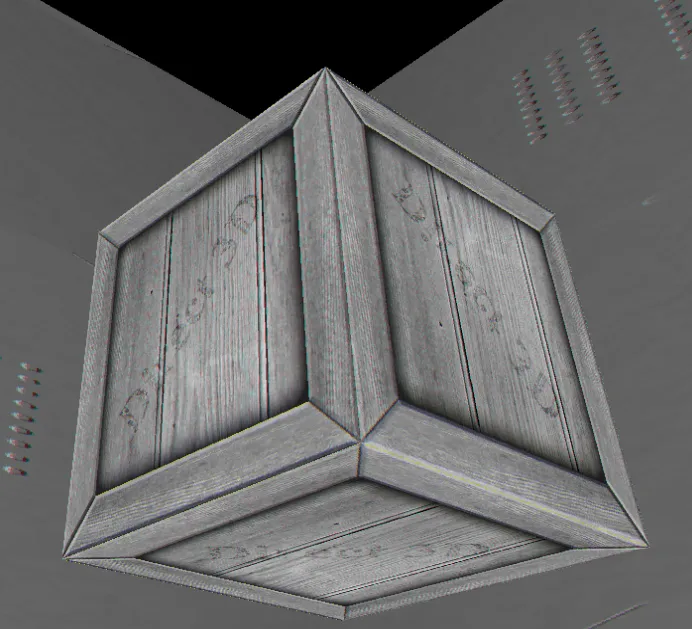
The engine is capable of rendering multiple meshes using custom shaders, with a textured and lit rendering.
Lighting Model
Due to time constraints, we did not implement dynamic shadows or complex lighting models.
Instead, we used:
- A global ambient light
- A custom distance-based shading effect
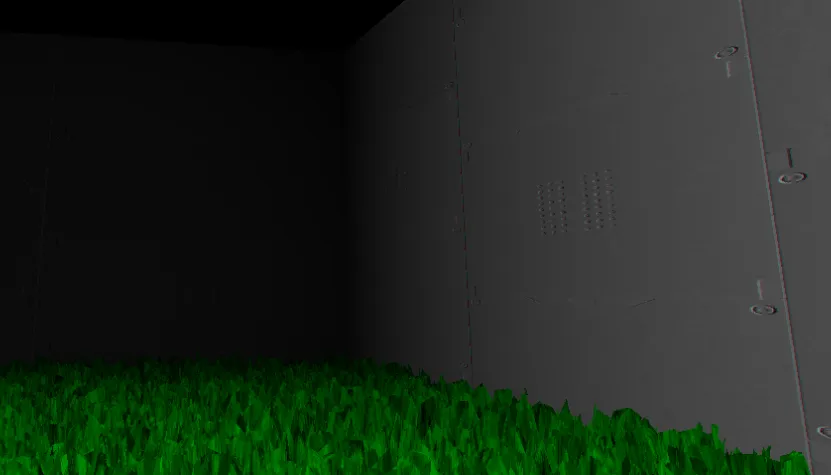
To compensate for the lack of shadows and still achieve an interesting visual result, we created a shader that darkens meshes based on their distance from the camera.
This creates the impression of:
- A single light source centered on the camera
- A progressively darker environment as objects get farther away
- A claustrophobic and oppressive atmosphere, which fit well with the game we built on top of the engine
ECS Architecture
To implement gameplay logic, we designed and used a fully custom Entity Component System (ECS).
This ECS was:
- Entirely implemented by us
- Robust and flexible
- Used for both game logic and engine-level systems
It allowed us to:
- Cleanly separate data (components) from behavior (systems)
- Iterate quickly on gameplay features
- Keep the codebase organized despite the short development time
Game Prototype Built With the Engine
To validate the engine in real conditions, we built a simple shooter prototype using PIT_Engine during the same one-month period.
The game takes place in a small enclosed garden, surrounded by walls, creating a compact and controlled environment.
Above the player, large red targets move through the scene.
The player controls a small multicolored sphere that can be launched as a projectile.
The objective is straightforward:
- Aim at the moving targets
- Shoot them
- Make them disappear on impact

The gameplay itself was intentionally kept simple, as the goal of the project was not game design, but rather to:
- Validate the rendering pipeline
- Test mesh rendering and shaders
- Use the ECS in a real gameplay scenario
- Ensure the engine could support a complete interactive loop
Despite its simplicity, this prototype successfully demonstrated that the engine was functional, stable, and capable of supporting a small real-time game experience.
Technical Challenge: Grass Rendering
One of the main technical challenges I personally faced was grass rendering.
We wanted to add grass to the environment, but:
- We did not have the time or knowledge to implement a geometry shader
- Advanced vegetation techniques were out of scope for the project
Alternative Solution
To work around this, I designed an alternative approach:
- Start from a subdivided plane
- Programmatically modify its geometry
- Create many vertical spikes that visually resemble grass blades
While simple, this solution:
- Was cheap to implement
- Worked well visually in motion
- Fit within our technical constraints
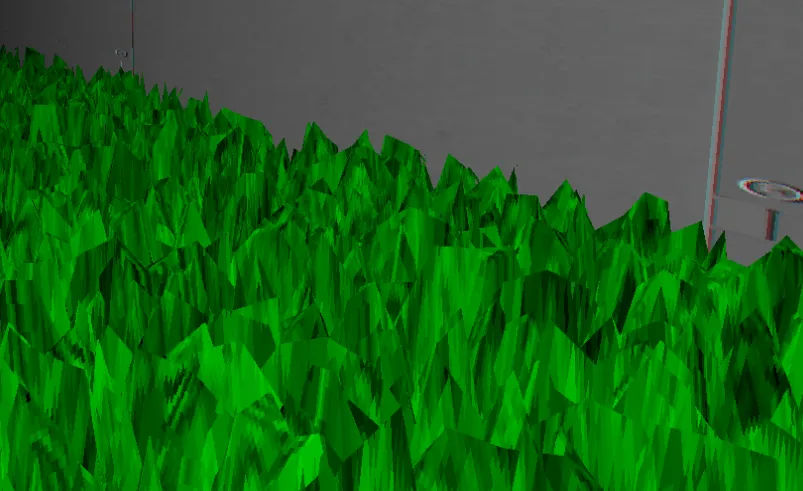
This was a good example of problem-solving under pressure and adapting the solution to our actual skill level at the time.
Conclusion
PIT_Engine was a demanding but extremely formative project.
In just one month, we went from zero knowledge of DirectX to a working engine capable of rendering a game.
This project helped me:
- Understand the foundations of real-time rendering
- Learn how to work efficiently in a technical team
- Make informed technical trade-offs
- Gain confidence in tackling complex systems from scratch
Even though the engine is limited and far from production-ready, it represents a major step in my technical growth and my understanding of low-level game development.